

Waste is an inevitable part of modern life, increasing significantly since industrialisation. Both households and businesses face the challenge of managing waste effectively. In Australia, waste production reached 75.8 million tonnes between 2018 and 2019, with manufacturing and construction leading the way, followed by electricity, gas, and water services.
The amount and the methods may change over the years, but the needs remain the same. Someone’s got to deal with the rubbish. In this blog, we’ll explore the proper management of waste, why it is still important, and a few methods to manage it.
Waste management is the process that involves the appropriate handling, collection, transportation, and disposal of various types of waste materials. Its goal is to minimise the environmental impact of waste while maximising resource efficiency.
Investing in a waste management system is crucial for several reasons:
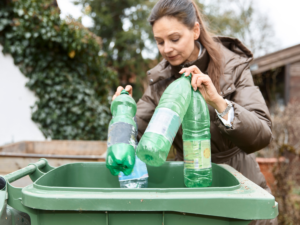
Recycling is one of the greatest steps in waste management, reducing landfill waste by reusing materials. It’s a joint effort between manufacturers using recyclable materials and consumers sorting them.
Recycling reduces energy usage, landfill waste, air and water pollution, and greenhouse gas emissions while conserving natural resources.
Composting turns organic waste into nutrient-rich food for plants. Through natural biodegradation, microbes decompose materials over months, converting them into safe compost. It’s not just for food scraps; composting disposes of hazardous organic matter, like faeces, turning it into beneficial compost for plants.
The most effective waste management strategy is waste minimisation. This involves opting for recyclable products, repairing items instead of replacing them, ditching plastic bags, and adopting sustainable buying habits. By considering a product’s entire lifecycle, you can significantly reduce waste generation.
Certain hazardous wastes require special disposal to prevent contamination. Examples include biomedical waste, asbestos, pesticides, and sludges. These wastes cannot be mixed with standard waste items and necessitate specialised disposal methods.
Before the environmental impacts of consumerism and waste disposal were known, landfills became the method of choice for businesses and consumers worldwide. Collecting waste to throw in landfills is the easiest form of waste management. However, it’s the most environmentally destructive, and it’s unlikely anyone will get away with this as a single option for much longer.
Incineration involves burning solid waste at high temperatures to reduce volume. However, this method contributes to greenhouse gas emissions and produces residues. While effective in waste volume reduction, it falls short of addressing environmental impacts.
Plasma gasification uses high-temperature plasma torches to convert solid waste into ionised gas. This process produces syngas while disposing of waste, offering a renewable energy source. Although not widely adopted in Australia, it holds promise for efficient waste disposal and energy generation.
Waste-to-energy encompasses solutions that generate heat, electricity, or fuel from waste. This includes methods like plasma generation, which converts non-recyclable waste into useful energy forms. WtE offers a diverse range of technologies aimed at sustainable waste management and energy production.
The 5Rs—Reduce, Reuse, Recycle, Recover, and Residual Management—are guiding principles for sustainable waste management:

Implementing a plan involves several steps, but when done correctly, it can help to improve the proper disposal of waste. Here’s a quick step-by-step:

Effective waste management is essential for a healthy environment and conserving valuable resources. By investing in waste management systems and implementing sustainable practices, businesses can minimise their environmental footprint and contribute to a more sustainable future.
Since 1976, Elephants Foot has played a crucial role in Australia’s waste and recycling industry. We have been at the forefront, helping to support businesses with their waste management solutions according to their changing values and increasing awareness of environmental impacts.
Elephant’s Foot is a holistic waste management partner for Australian businesses, offering chute solutions, consulting services, equipment services, and care solutions. Contact us today to discuss how we can design a waste management solution to meet your needs.
Embrace the values of respect, diversity, and community by joining us in promoting a more sustainable and inclusive future through Elephants Foot’s dedication to the RAP Plan.





